

High-Performance Mechanical Seals for Oil & Gas Operations
From flashing hydrocarbons and corrosive media to temperatures pushing 800°F, oil and gas sealing demands more than a catalog seal. Flexaseal engineers solutions for the conditions you're actually running, and gets them to you fast.
In Refinery Service, a Seal Failure Is Never Just a Seal Failure
A seal failure in a refinery is rarely a contained maintenance event. A leaking seal on a hydrocarbon pump is a volatile hazardous air pollutant (VHAP) emission event, a potential safety incident, and an unplanned shutdown rolled into one. The pressure to get back online starts immediately.
Refinery service compounds sealing problems in ways most industries never encounter. Hydrocarbons flash at the seal faces. Temperatures push past what elastomers can survive. Corrosive and abrasive media wear down face materials that would last years in a cleaner application. Getting the spec right the first time is non-negotiable.
Flexaseal designs and manufactures mechanical seals to API 682 standards, built for the pump and rotating equipment service conditions found in refineries, petrochemical plants, and upstream and midstream operations. Our seals are engineered for VHAP compliance, high-pressure and high-temperature service, and abrasive or corrosive applications where generic seals fail prematurely.
When a seal fails, our engineers find the root cause and get a solution back to you in days, not weeks.
What Your Seals Are Up Against
Refinery and oil and gas service puts sealing equipment through conditions most industries never see. These are the challenges that define every seal specification we write.

Emission controls for VHAP

Flashing hydrocarbons

Toxic and flammable products

Abrasive-laden fluids

High shaft speeds

High pressures

Temperatures up to 800°F (430°C)

Corrosive applications
Common Challenges We Solve
At Your Speed® means you get answers fast. Here is how Flexaseal addresses the problems oil and gas operators bring to us most often.
"We can't keep a seal in this pump."
Flexaseal engineers dig into the root cause first. Whether it’s a material mismatch, a piping plan issue, or an operating condition nobody flagged during installation, we find the problem and solve it. Most replacement solutions ship within days.
"Lead times from our current supplier are killing us."
Most Flexaseal products are manufactured in the USA. We carry U.S. inventory and build custom stocking programs for high-volume users. If you need it fast, we have the stock and the team to get it on the move.
"We're spending too much on seal replacements."
Flexaseal's repair and remanufacturing programs cut seal costs 30%–50% compared to buying new OEM seals. That includes full reverse engineering on competitor brands. You don't have to replace what we can rebuild.
"We can't get a quote or a technical answer from our supplier."
When you contact Flexaseal, you reach an engineer, not a call center. Our team can provide a quote within 48 hours of receiving your seal with accompanying product SDS.
API-Compliant Seals for Oil & Gas Service
Flexaseal manufactures a full line of API 682-compliant mechanical seals for oil and gas pumps and rotating equipment. The following seal styles are ones we commonly specify for refinery and petrochemical service.
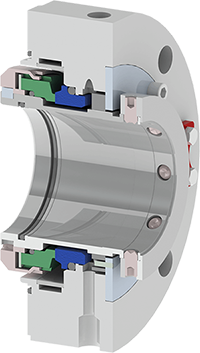
A rotating multi-spring single cartridge seal designed to API 682 Category 2 standards for midstream and downstream oil and gas service. Features oversized seal faces, a Tang Drive System for reliable torque transfer, and heavy duty springs built to handle process debris. Available with contacting and noncontacting secondary seal options.
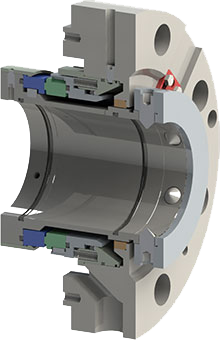
A stationary multi-spring single cartridge seal built to API 682 Type A, Category 2/3, Arrangement 1 standards. Engineered for high-pressure, high-speed service with low specific gravity fluids including light hydrocarbons, NGLs, crude oil, and bitumen. Configurable with a CPH containment seal for emissions-controlled applications.
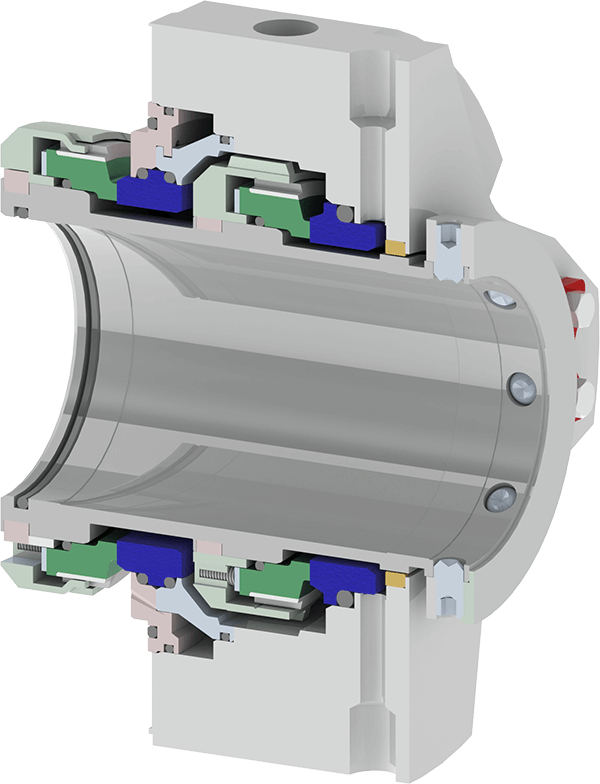
A rotating multi-spring tandem cartridge seal built to API 682 Category 2, Arrangement 2 for midstream and downstream oil and gas service. Supports both pressurized and unpressurized barrier systems, with oversized seal faces, a Tang Drive System, and an optimized pumping ring for improved barrier fluid circulation.
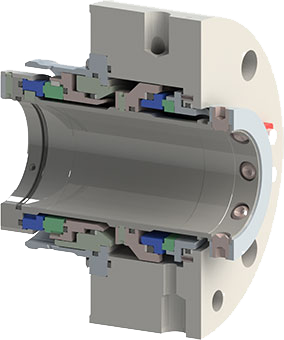
A stationary multi-spring tandem cartridge seal built to API 682 Type A, Category 2 & 3, Arrangement 3 for NGL and light hydrocarbon applications where minimized emissions are required. Supports API Plans 52, 53A, 53B, and 53C. Rated to 550°F (290°C) and 2,000 psi inboard pressure.
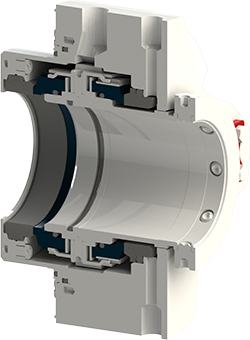
A rotating multi-spring dual cartridge seal built to API 682 Category 2, Arrangement 3 for midstream and downstream oil and gas service where a pressurized barrier system is required. Features an OD pressure design for enhanced solids handling and barrier fluid distribution. Supports API Plans 53A, 53B, and 54.
Why Oil & Gas Operators Work With Flexaseal
Flexaseal delivers the engineering capability of a full-service manufacturer and the responsiveness of a company that treats your schedule as its own. That combination is rare in this industry, and it is what drives operators back to us, application after application.

Fast Quotes. Faster Turnarounds.

API 682 Expertise

Repair Programs That Cut Costs

We Repair Competitor Seals

Direct Engineering Access

Custom Product Codes and Stocking Programs
API 692 Gas Panel Upgrade
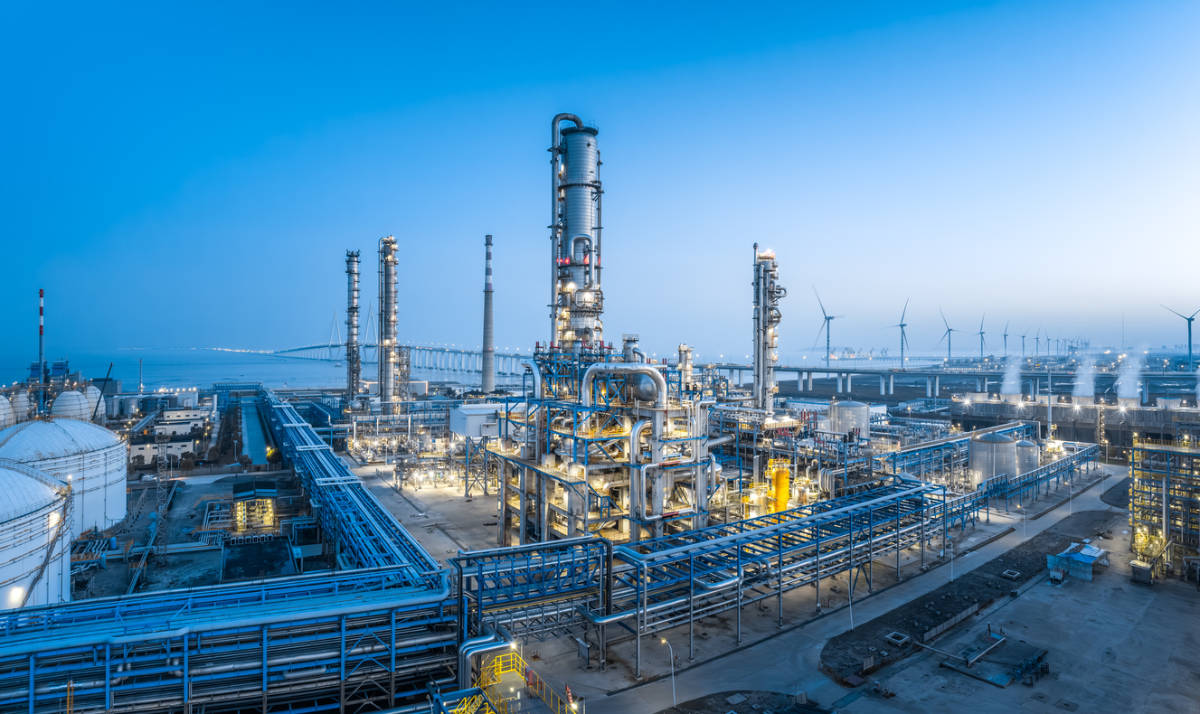
A major North American midstream infrastructure company needed a retrofit and overhaul of three gas conditioning panels on a propane compressor installation, each with deteriorated components and no consistent documentation. Flexaseal reviewed API 692 standards, created new P&IDs, standardized the designs across all three units, and delivered completely refurbished panels with new tubing, fittings, instruments, and valves. The panels were tested in Flexaseal's Houston facility and confirmed zero detectable leakage before delivery.
Zero detectable leakage confirmed on testing; delivered on a short timetable
Read Case Study
Plan 54 / Slurry Seals Multiphase Oil & Gas Pumping
A large oil production company in Ecuador was experiencing frequent, costly mechanical seal failures on twin-screw multiphase pumps handling crude, water, gas, and abrasives. Flexaseal engineered a replacement solution using the Style RKCMD slurry seal paired with an API 682 Plan 54 forced lubrication system, delivered in eight weeks to a remote Amazon site.
12+ months continuous operation; zero failures
Read Case StudyFrequently Asked Questions
What are the different types of mechanical seals?
There are many different types of mechanical seals, and understanding those differences can help with choosing the right seal for a given application.
By assembly, cartridge seals arrive as pre-assembled units containing the seal faces, secondary seals, gland, sleeve, and hardware. They reduce installation error and simplify maintenance. Component seals are installed as individual parts, which allows them to fit tighter spaces and offers more material flexibility, but they require a higher level of installation precision. Split seals divide across the shaft axis so the seal can be replaced without disassembling the equipment, a significant advantage wherever downtime is costly.
By arrangement, single seals use one pair of seal faces and work well where leakage risk and fluid hazard are moderate. Double seals use two sets of faces with a barrier or buffer fluid between them, and are specified when the process fluid is hazardous, abrasive, or requires zero atmospheric leakage.
By design, pusher seals use springs that compress axially as the faces wear, with a dynamic O-ring that moves along the shaft. Non-pusher seals (bellows seals) replace the dynamic O-ring with a metal or elastomeric bellows, making them better suited to high-temperature service and fluids that coke or crystallize.
Specialty seals cover applications with extreme temperatures, high pressures, corrosive environments, or dry-running conditions. In oil and gas compressor service, this includes gas liftoff seals, where a thin film of pressurized gas separates the faces during operation.
What causes a mechanical seal to leak?
Can a mechanical seal be repaired?
Most mechanical seals can be repaired, and Flexaseal repairs seals from all major manufacturers, not only its own products.
Every seal that comes into Flexaseal’s repair facilities goes through a detailed five-step process:
- Careful disassembly
- Examination of components for wear and damage
- Failure analysis communicated to the customer
- Repair estimate options including like-new restoration or exchange to a Flexaseal seal
- Final reassembly
Flexaseal has dedicated engineering staff for reverse engineering competitor seals and vertically integrated machining and lapping capabilities across all repair locations.
Repair programs typically cost 30%–50% less than purchasing a new OEM seal. If a seal cannot be repaired, Flexaseal will quote a new replacement or offer an exchange program.
Contact us, and we will evaluate your seal for repair options.
What is the lowest cost mechanical seal in oil and gas applications?
The lowest cost mechanical seal in any oil and gas application is the one that lasts the longest.
Purchase price is only one part of seal cost. A seal that fails in six months and requires unplanned downtime, a maintenance crew, and a rush replacement order costs far more than a seal that runs for three years without intervention. Flexaseal helps customers evaluate total cost of ownership, not unit price alone, when specifying seals for demanding applications.
Request a Quote
Seal problems in oil and gas do not wait. Whether you need a new seal specified, a repair turned around fast, or a stocking program built before the next outage, tell us about your application below and we will get back to you quickly.
RESPONSE TIME
Quote within 48 hours of receiving your seal with product SDS
REPAIR TURNAROUND
Days, not weeks
WHO YOU REACH
An engineer, not a call center