
Case Study: Plan 54 / Slurry Seals
Better Support Systems and Mechanical Seals for Multiphase Oil and Gas Pumping in the Jungle
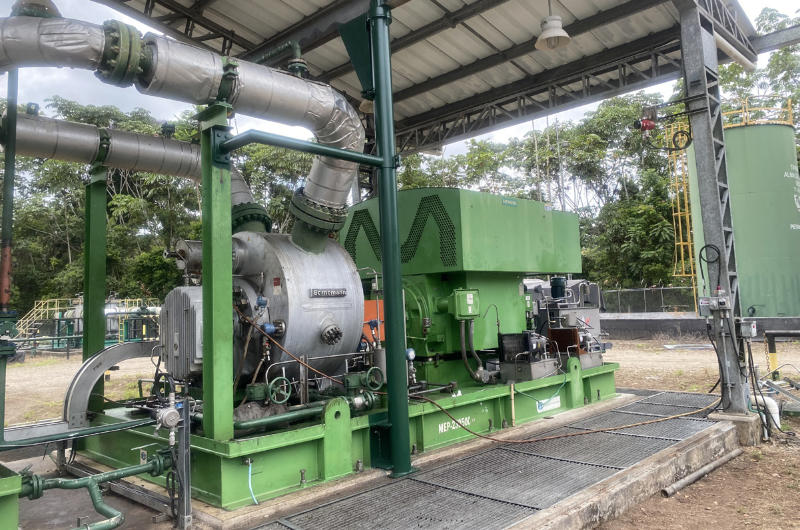
Equipment: Bornemann Multiphase Pump MW 335
Application: Hydrocarbon
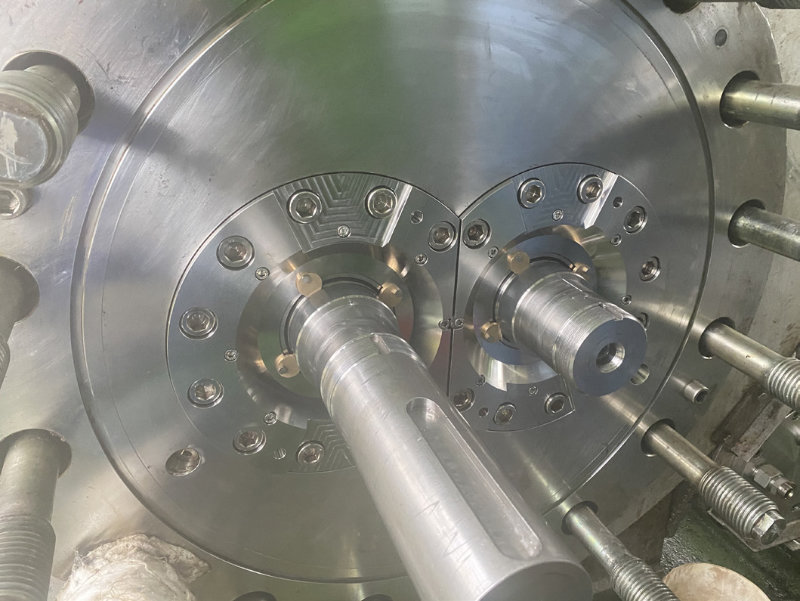
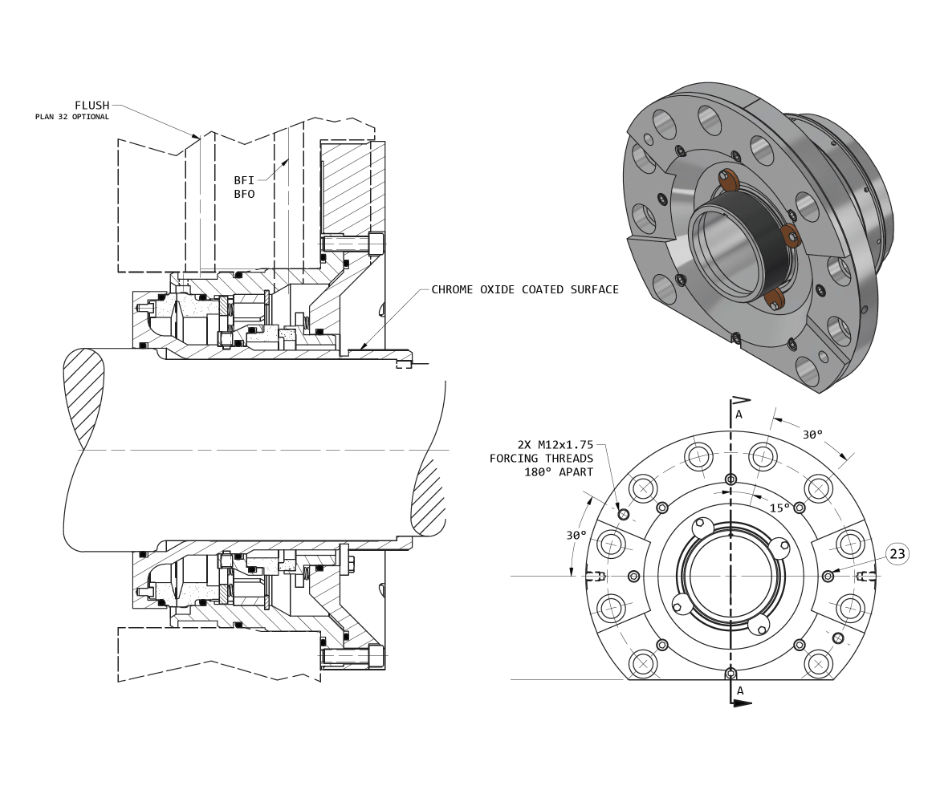
Mechanical Seal: Flexaseal Style RKCMD Tandem Stationary Multi-Spring Cartridge Slurry Seal
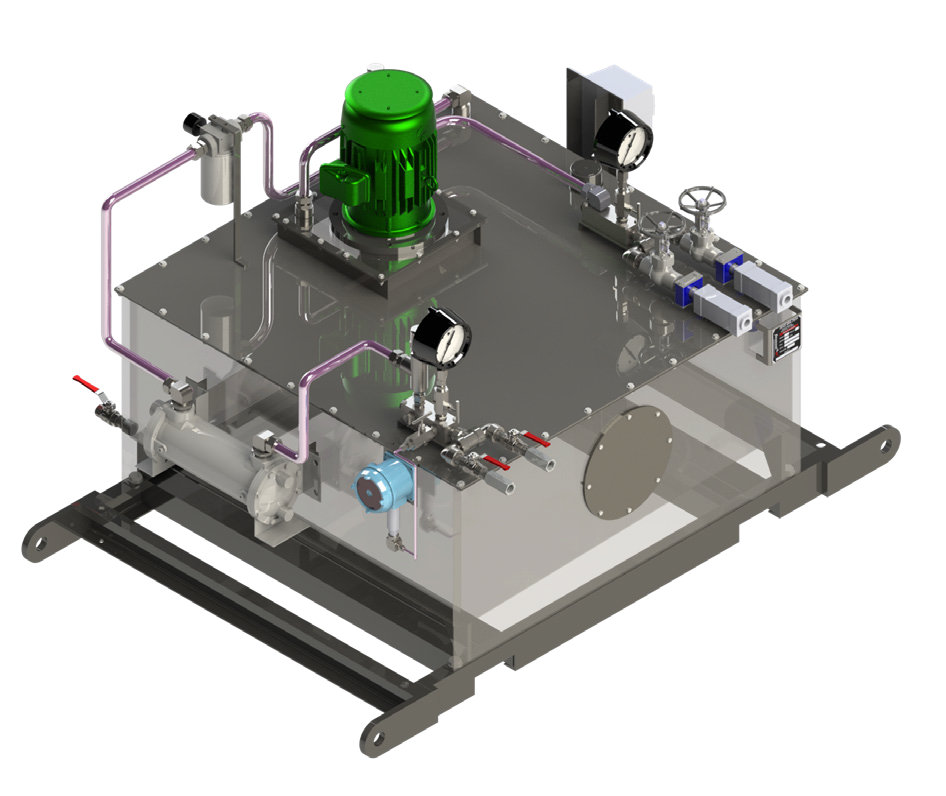
Support System: API 682 Plan 54 forced lubrication
Temperature: 176° F MAX (80° C)
Viscosity: 158 cP
Pressure: Seal Chamber: 100 psig (6.9 barg)
Speed: 605-1800 RPM
Product: Multiphase Mixture / 95% Water / Up to 71% GVF
Industry: Oil & Gas, Midstream
Background
The end user is a large oil production company in Ecuador with multiple sites totaling more than 500,000 barrels per day (bpd). The Pañacocha field has wells where crude is pumped to thesurface as mixture, with water or gas or abrasives, requiringmultiphase pumps to effectively move it.
For such an aggressive application, positive displacement twinscrew pumps are preferred to withstand the abusive vibration, hydraulic hammers, dry running, etc. Maintenance of the mechanical seals and support systems became frequent and costly for the operator. Due to the equipment’s design, each pump is equipped with four mechanical seals, making premature failures very costly.
The Challenge
The Bornemann MW-335 pumps were originally equippedwith a mechanical seal lubrication system consisting of two vertically mounted tanks operating on a thermosiphon principle. This arrangement, designed for single non-pressurized seals in line with API Plan 62, proved inadequate for the appliborcation. Maintaining a stable lubricating film between seal faces, a critical factor in most hydrocarbon services, was inconsistent, resulting in frequent seal failures.
Unpredictable dry-running events and pump stoppages threatened both seal integrity and production uptime. With three pumps at risk of being offline, the end user faced unacceptable opportunity costs. Given the site’s remote location, they urgently required a robust, pressurized lubrication system that could provide a constant film of barrier fluid, extend mean time between repairs (MTBR), and ensure reliable operation.
The Result
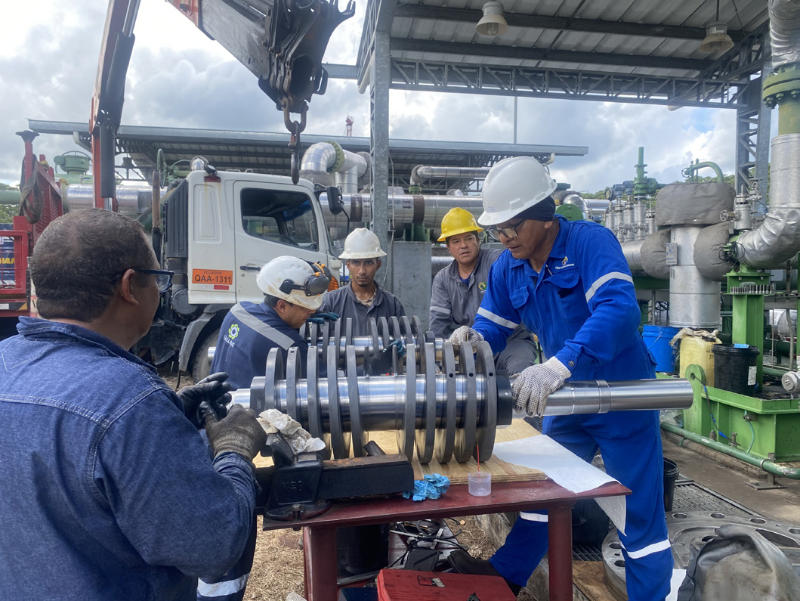
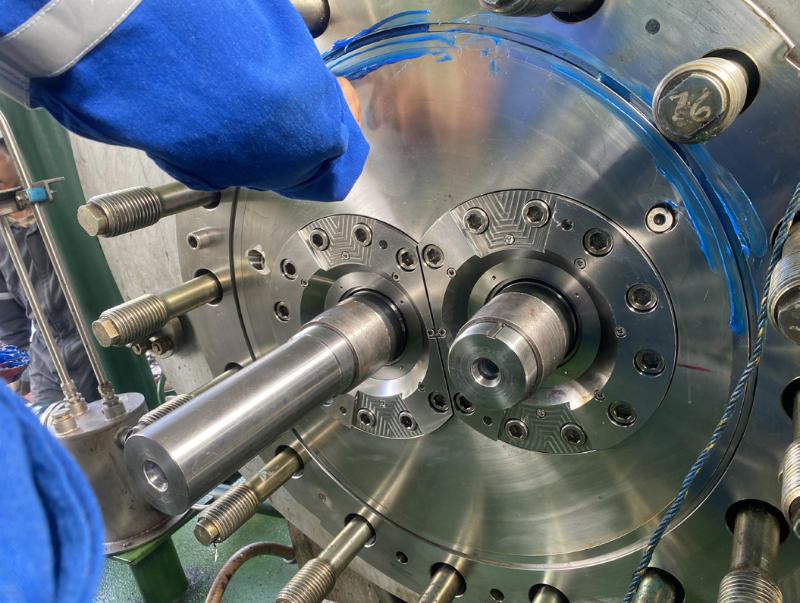
The systems were delivered in just eight weeks and were successfully commissioned while working through the challenges of the remote Amazon location. Now more than one year into operation, the units have run continuously without failure or deviation from design parameters. Oil reservoir refills have remained consistent with Flexaseal’s design expectations and operators’ practices, confirming that the seals require no additional lubrication.
The result was a fully engineered solution that not only met performance targets but also combined reliability, ease of installation, and long-term serviceability for the customer.
The Conclusion
Flexaseal and its in-country technicians collaborated closely with site personnel, conducting extensive interviews to understand operating practices and constraints. The team adapted the solution to the field’s challenging conditions and limited logistical resources, where even equipment delivery required river barge transport.
Building on the success at this installation, the customer is now planning to expand the use of Flexaseal’s API Plan 54 systems to additional production fields, with the goal of extending mean time between repairs (MTBR) across other sets of critical pumps.