

Case Study: HPPS / CPH – Ethane Mainline Pumps
Critical Seal and System Application in Difficult Midstream Service
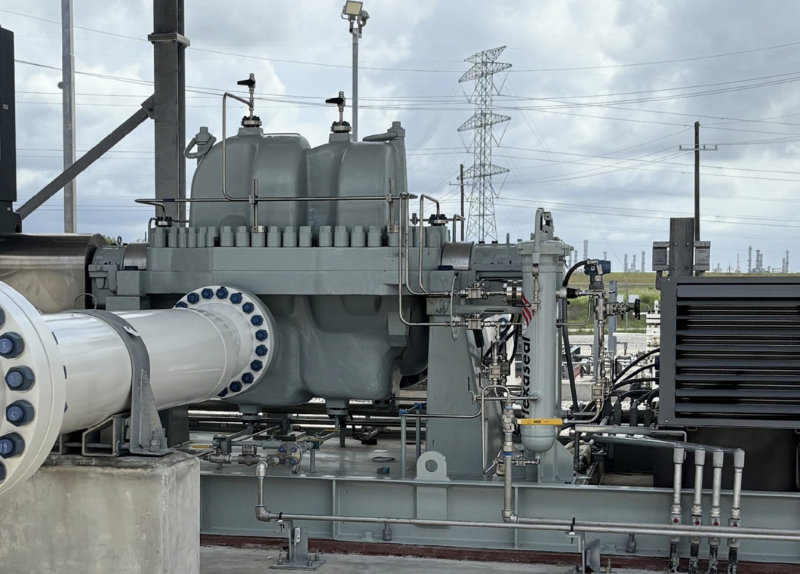
Equipment: Pumpworks PWM-D 14x16x17 (two pumps in operation)
Application: Supercritical Ethane
Mechanical Seal: 4.510” HPPS/CPH, Diamond Faces inboard, FlexSiCG™ (siliconized carbon graphite) vs Silicon Carbide outboard, FFKM O-Rings (API Plans 12/76)
Support System: API 682 Plan 54 forced lubrication
Temperature: 90 °F (32.2 °C)
Viscosity: 0.05cP
Specific Gravity: 0.32
Pressure:
Inlet: 1300 psig (89.6 barg) [first pump], 1800 psig (124.1 barg) [second pump]
Discharge: 1750 psig (120.7 barg) [first pump], 2250 psig (155.2 barg) [second pump]
Seal Chamber: 1315 psig (90.7 barg) [first pump], 1850 psig (127.6 barg) [second pump]
Speed: VFD up to 3560 RPM
Product: Supercritical ethane with pipeline rouge
Facility: Mainline Pump Station – pumps designed to run in series, first pump feeds second pump
Industry: Midstream
Background
A major midstream operator pumps supercritical ethane from a storage and fractionation plant, and boosts the pressure with multistage pipeline pumps, two in series, to deliver to a storage tank at an export facility roughly 70 miles away for overseas transport. The end user has had sealing issues with the OEM-supplied seals since the original installation date in 2024.
The Challenge
The operator took delivery of these mainline pumps in 2024, which were OEM-fitted with a different manufacturer’s mechanical seal and supported by a Flexaseal seal support systems. They could not achieve a successful run longer than 45 minutes after initial installation. The chief culprits were high inboard leakage and secondary seal leakage to the atmosphere. Over the course of several months, many different seal issues prevented the pumps from running. At the incumbent seal manufacturer’s request, one pump was pulled from service so the seal chamber could be reworked to tolerances tighter than API specification; however, the seal issues persisted.
The operator was also dealing with slow repair turnarounds from the other seal manufacturer during these repeated failures. As they searched for a solution, Flexaseal was asked to modify the seal support filtration system (API 682 Plan 12) to accommodate 30 GPM (1.9 L/s) flow, more than double the originally specified flowrate. This modification did not have a positive impact on seal life.
After months of trial and error with the original, Flexaseal was asked to provide a novel sealing solution.
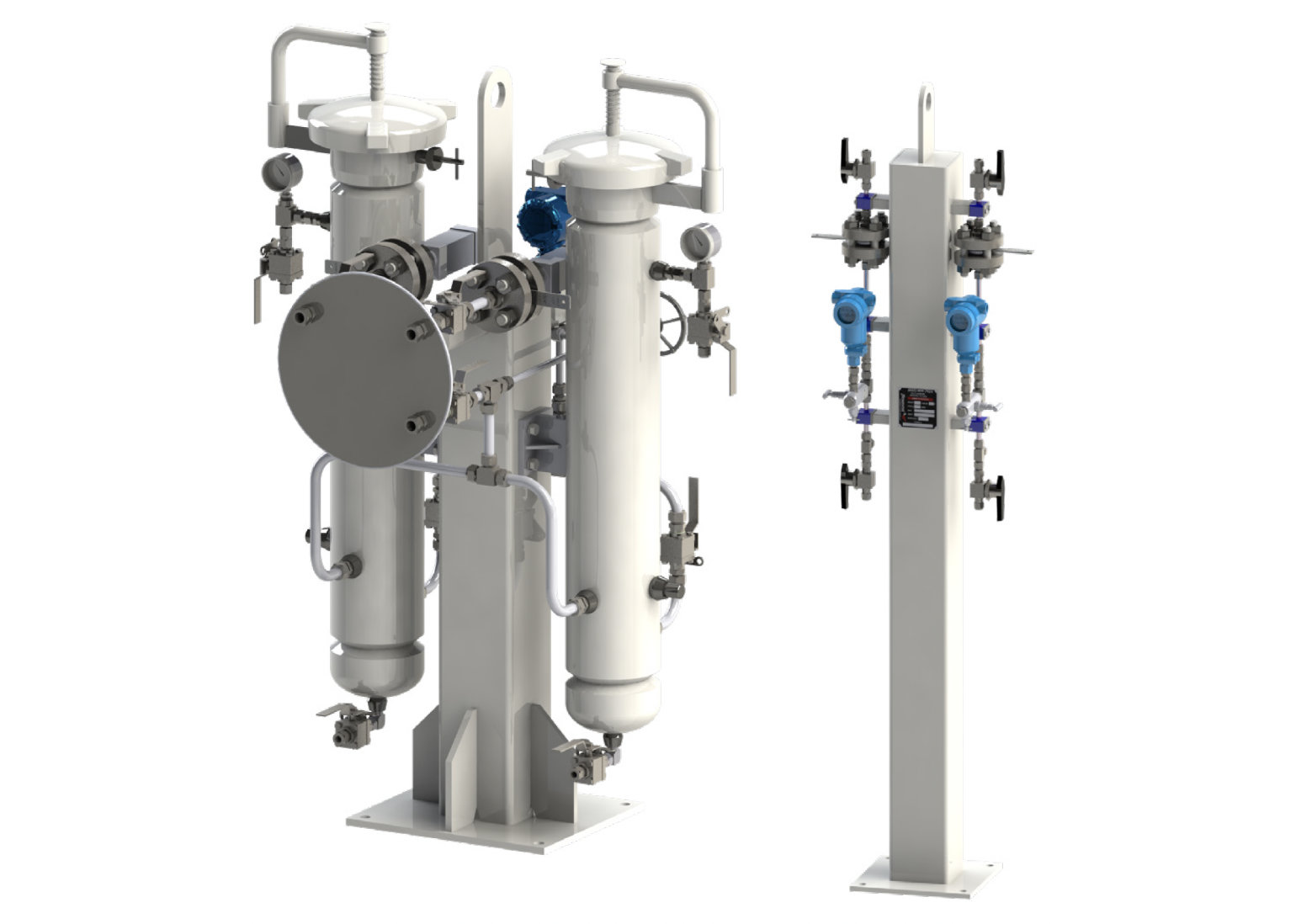
Flexaseal API 682 Plan 12/76 Seal Support Systems Installed with the Original Seal
The Solution
We proposed our high-pressure pusher seal, HPPS, featuring FlexICE™ diamond-coated inboard faces paired with an outboard high-pressure non-contacting containment seal, Style CPH. To validate the seal design for this service, we paired a Numerical Performance Prediction (NPP) model with real data from our test rig–detailing the exact flush flow rates, expected static and dynamic primary seal leakage, and heat generation across their full range of operating pressures and speeds. With this data we custom designed seal face geometry, loading, and other critical design features. After reviewing our proposal and accompanying analysis, the operator moved forward with the Flexaseal solution.
We targeted an aggressive delivery for this custom-engineered product, and hand-delivered the seals to the station in under six weeks. Assisting during install and startup, our team of engineers and field sales professionals remained with the operator until the pumps were operating, all systems normal.
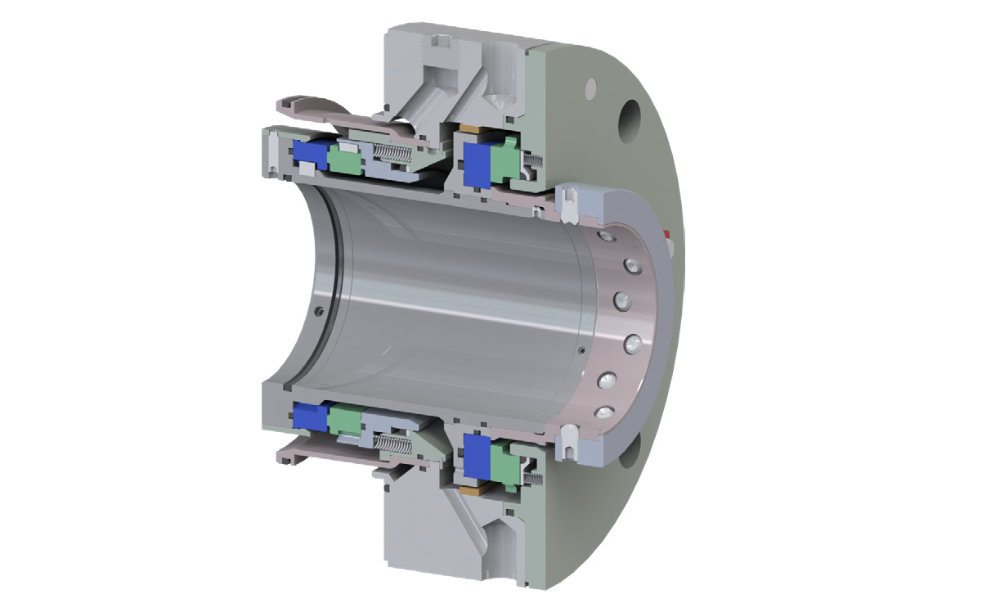
Flexaseal Style HPPS/CPH Mechanical Seal Designed for Supercritical Ethane Service
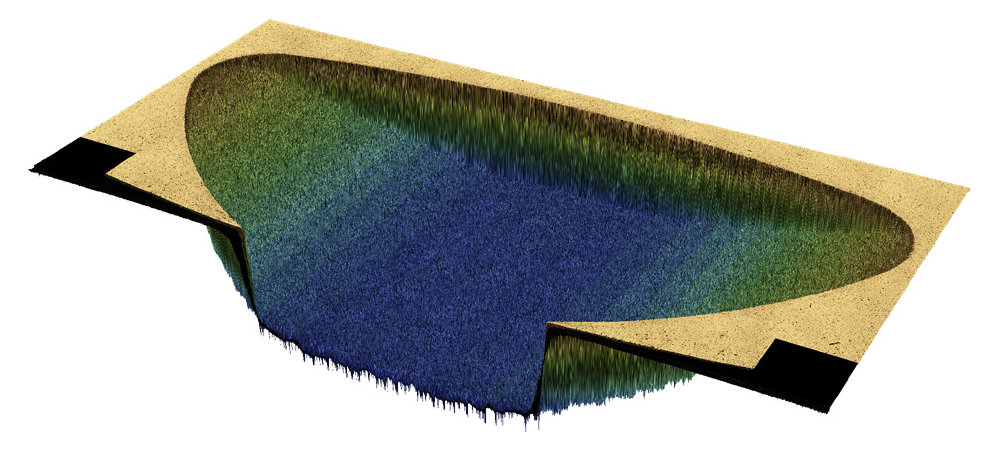
Laser-Etched Gas Liftoff D-Pad Profile for Dry-Running Containment CPH Seal
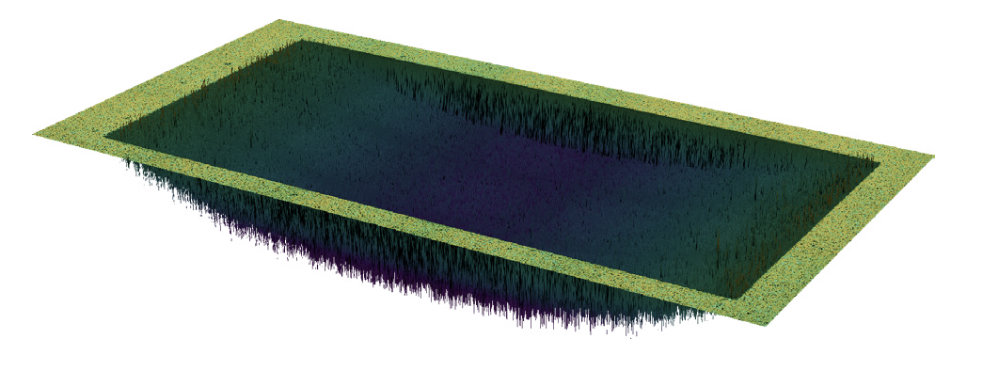
Laser-Etched Hydropad for Primary Face HPPS Seal
The Result
The seal was fitted to the pump and started with Flexaseal field personnel onsite. It has run successfully for 10 months without a failure or increase in leakage rates. From the start, both the static and dynamic leakage rates were lower than our NPP models.
Since that initial run, the pump has been cycling on and off to meet demand with zero operational upsets. Leakage rates are significantly better than the displaced original seal. Because the Flexaseal HPPS/CPH seals only need 10 to 12 GPM (0.63 to 0.76 L/s) flush flow—compared to the 30 GPM (1.90 L/s) the previous seal demanded—the pressure drop is lowered across the Plan 12 and has extended the duration between filter element changes. That is a direct safety and operational impact, as operators don’t have to intervene at the pump skid nearly as often.
Importantly, these extended runs let the operator meet demand at the export terminal and reduce the significant maintenance costs required to bring in a crane and operator to pull bearing housings for frequent seal change-outs.
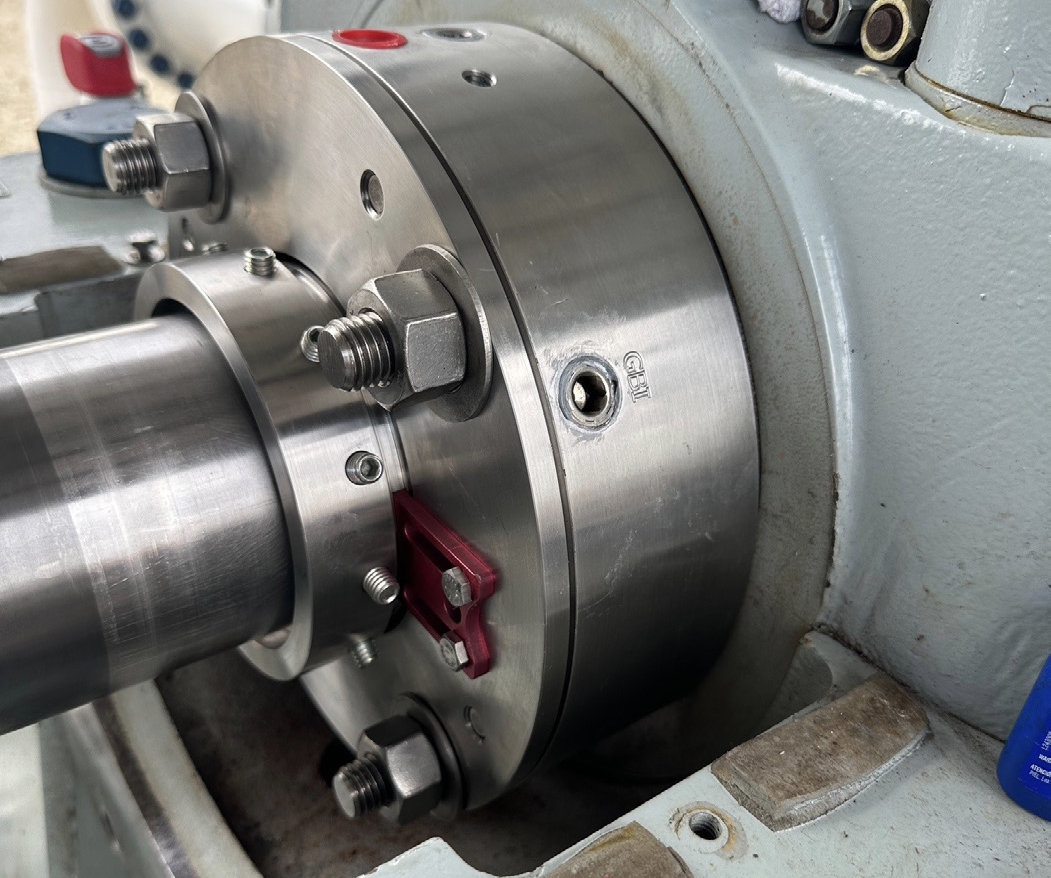
Flexaseal HPPS/CPH Seal Fitted to the Equipment
The Conclusion
The implementation of the Style HPPS/CPH in this application confirms that comprehensive system assessment and engineering analysis are critical for midstream sealing reliability. By addressing historical seal failure modes with custom modeling, design, and testing, our solution delivers the performance and uptime the operator demands for this critical service.
This project serves as a technical benchmark for specialized sealing solutions in light hydrocarbons. The design has since been adopted for propane, Y-grade, and natural gasoline with consistent results.
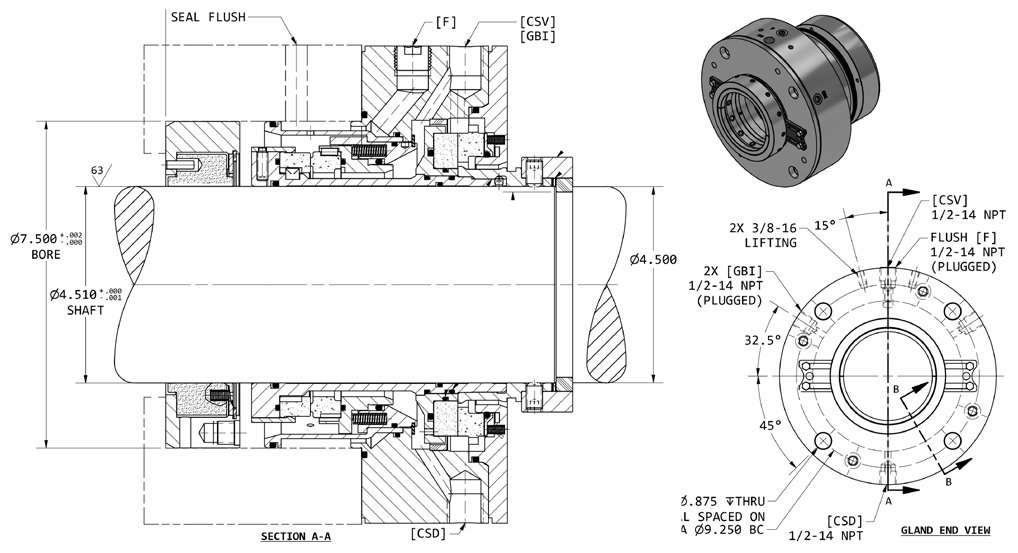
Custom-Engineered Pipeline HPPS/CPH Seal from Flexaseal