
Seals. Systems. Solutions. At Your Speed.™
Your Partner in Effective Sealing Solutions
Mechanical Seals and Support Systems
Designed and Manufactured in the USA
We understand the importance of reliable solutions for your mechanical seal, seal support system and pump support needs. We provide tailored solutions designed to meet our customers’ exact requirements, ensuring that their applications operate with optimal performance throughout their entire lifecycle. Our commitment to providing superior quality products is supported by a comprehensive selection of services and technical expertise.
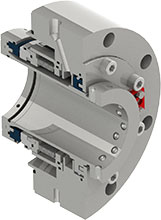
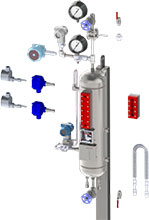
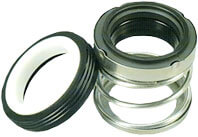
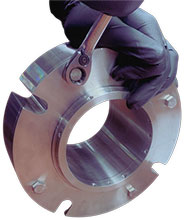
Improve the Reliability of Your System
Elevating seal reliability and performance, our solutions are engineered to withstand demanding conditions, significantly reducing downtime and maintenance. We blend innovative design with superior service to extend the lifespan and integrity of your equipment. Experience a new standard in reliability, where advanced technology meets customer-focused support.
Industry Verticals
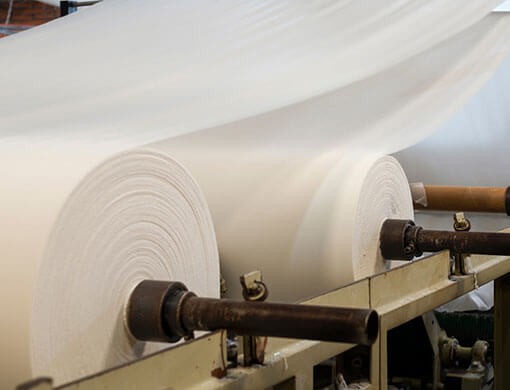
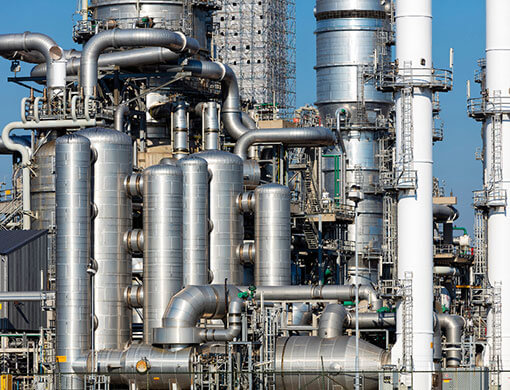
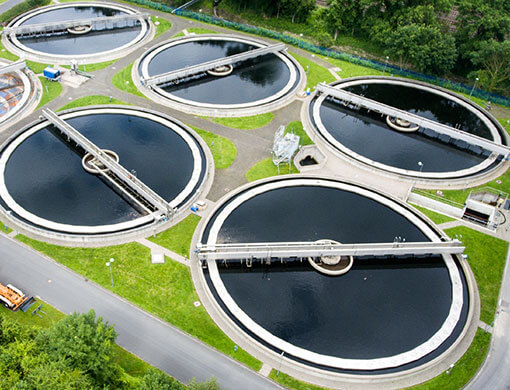
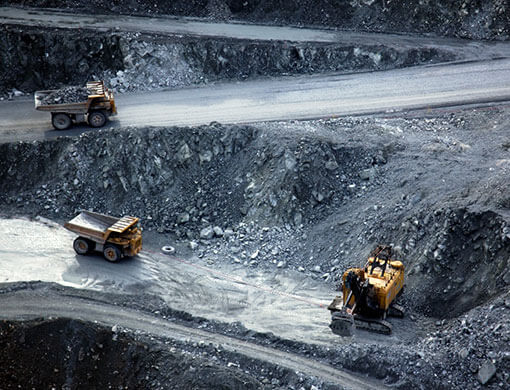
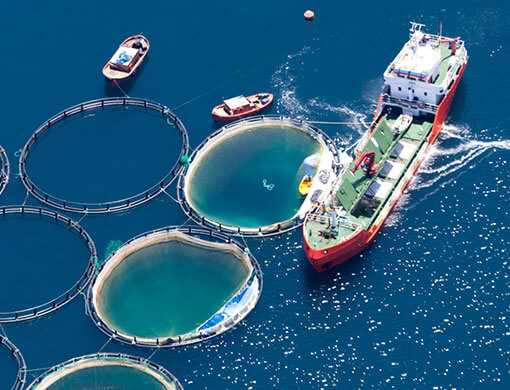
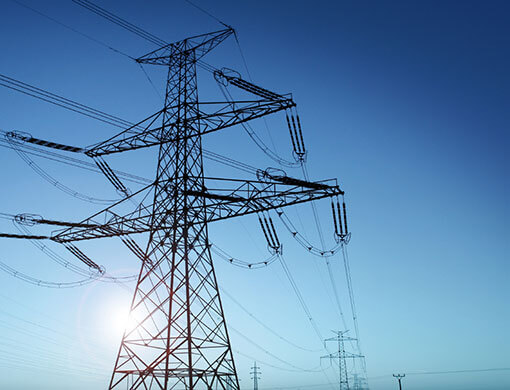
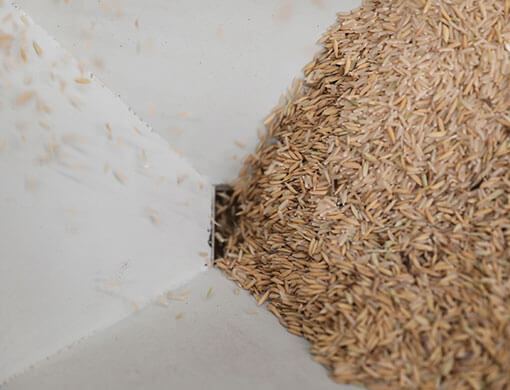
Pump Sealing Solutions for Your Industry


News and Insights
Get the latest from Flexaseal
News
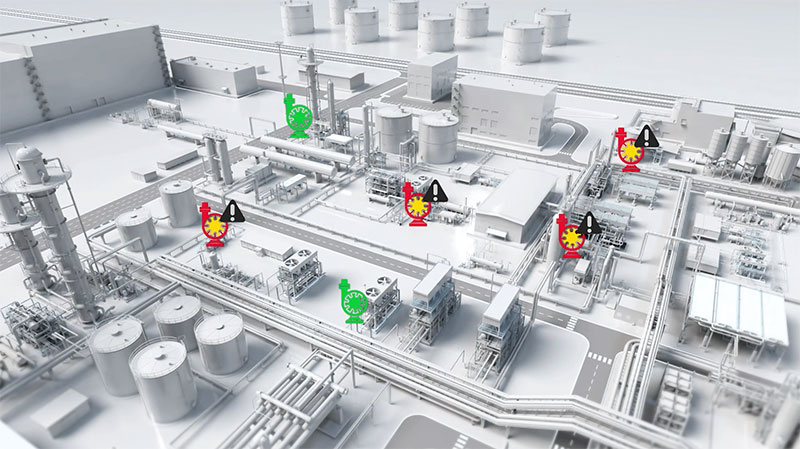
Flexaseal’s Reliability Solutions
At the Heart of Industrial Excellence Flexaseal’s Reliability Solutions represent a critical …

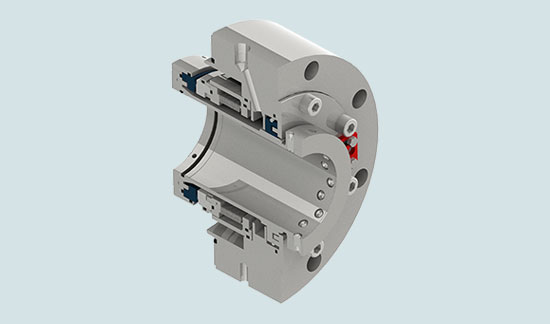
New Product
Mechanical Seal Style HPCSA
Now there is a true high pressure bellows solution for one of the toughest oil and gas…
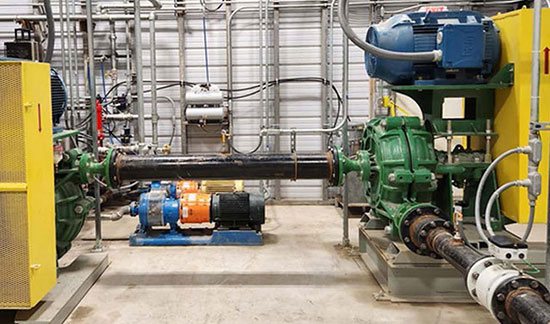
Case Study
Aggregate Production Quarry Solves Seal Leaking Challenge
The client is a leading producer of construction aggregates, including crushed stone, sand, and gravel…
Find a Flexaseal representative near you
United States
Locate our US-based Service Centers and Sales Representatives by State.
Find a Contact
International
Get to know our International Team.
Find a Contact
Service
Send our Service Team a note to get things going for your repair needs.
Talk to Service